
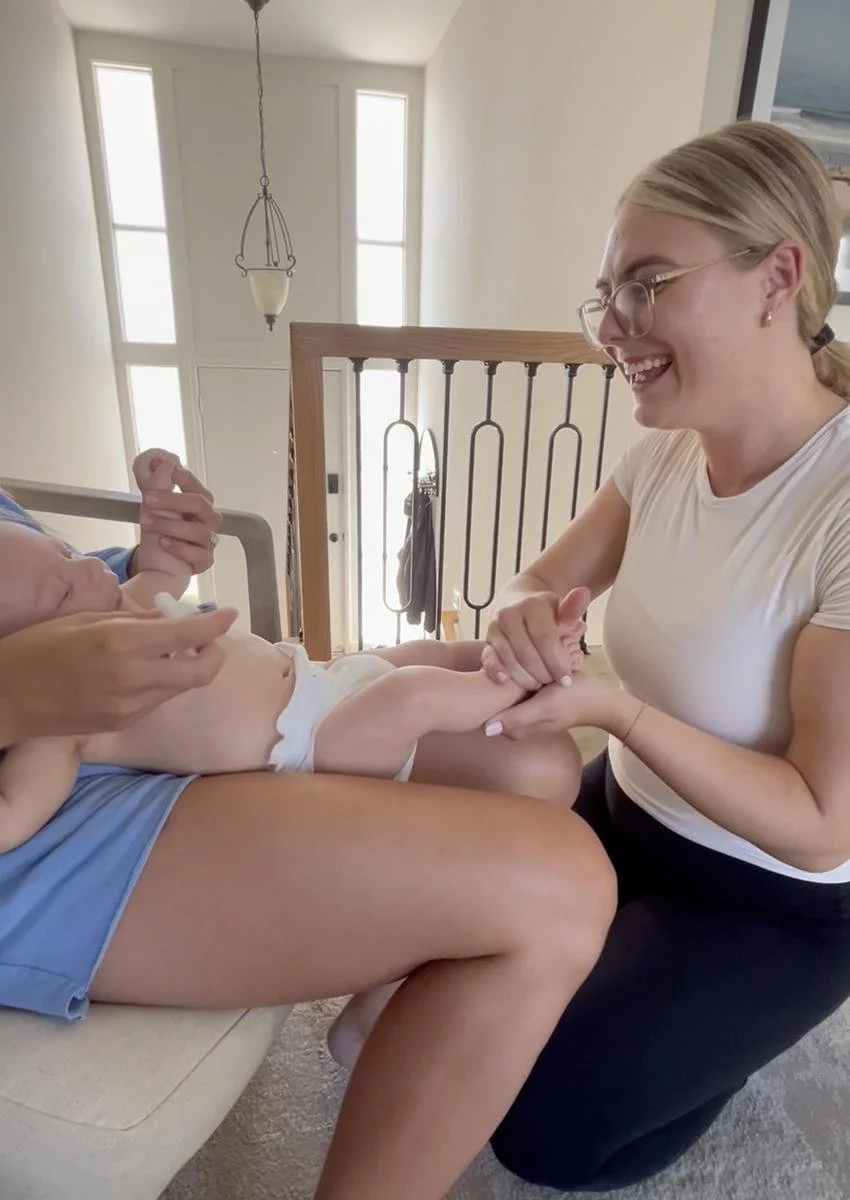
Torticollis in Babies — Early Treatment, Big Difference
Your baby's head tilts to one side. They resist turning. They only nurse easily one way. Torticollis is one of the most common infant conditions — and it responds beautifully to physical therapy, especially when treated early.
What Is Torticollis?
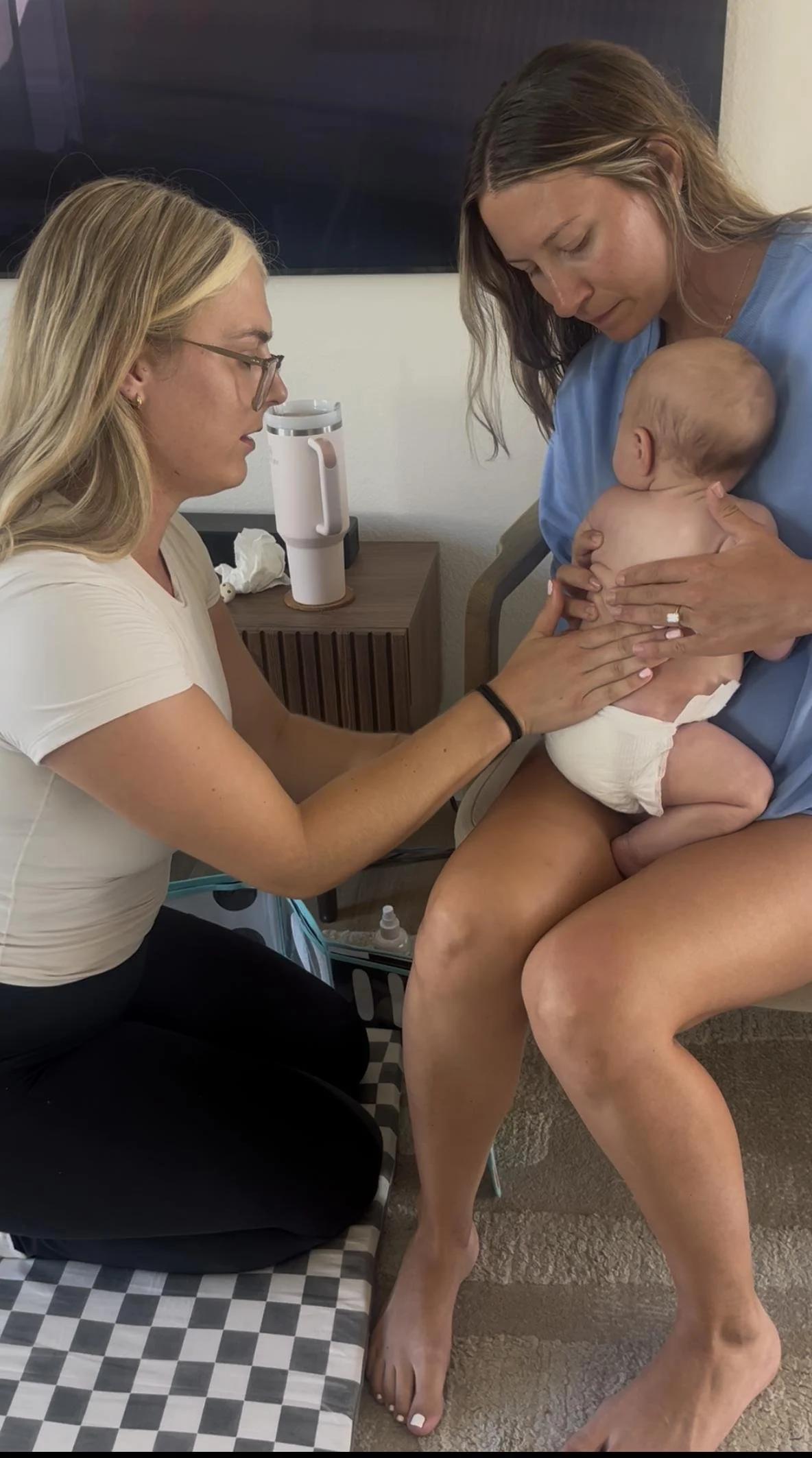
Torticollis (also called congenital muscular torticollis, or CMT) is a tightening or shortening of the sternocleidomastoid (SCM) muscle — the long muscle that runs from behind the ear down to the collarbone on each side of the neck. When one side of this muscle is tight, it pulls the head into a tilt toward that side and a rotation away from it.
Torticollis can develop in the womb from positioning, during delivery, or in the early weeks of life. It's also frequently associated with plagiocephaly (flat head syndrome) — because a baby who consistently holds their head to one side will always rest on the same part of their skull.
Left untreated, torticollis can contribute to plagiocephaly, affect a baby's ability to visually track and reach symmetrically, create compensatory movement patterns that become harder to correct over time, and in some cases contribute to delays in rolling and other motor milestones.
The good news: muscles and connective tissue in infants are highly responsive. Most cases of infant torticollis resolve fully with physical therapy — no surgery required. The key is starting early.
Symptoms
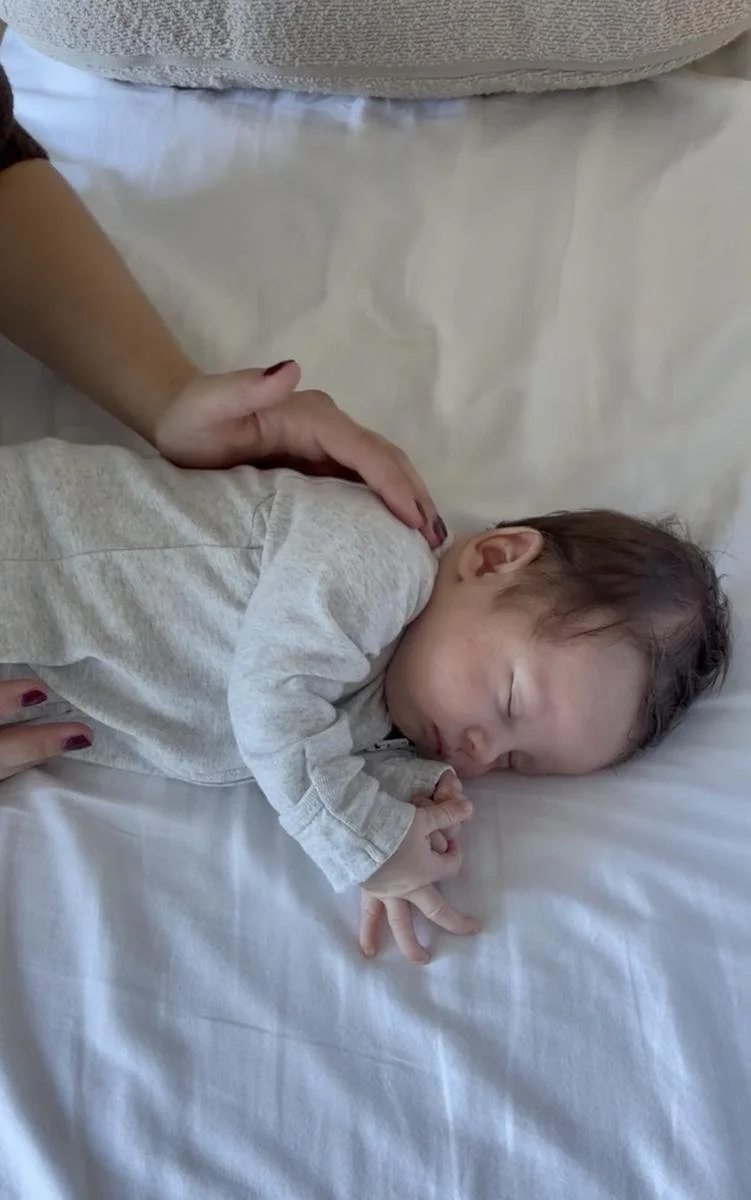
Signs your baby may have torticollis:
Head consistently tilts to one side (ear toward shoulder)
Preference to look in one direction — resists turning the other way
Feeding or nursing is noticeably easier on one side than the other
A small, firm lump or rope-like tightness in the neck on one side
Difficulty fully turning the head in both directions
A flat spot developing on the back or side of the head (plagiocephaly)
Your pediatrician flagged a head tilt or neck tightness at a well-child visit
How We Treat It
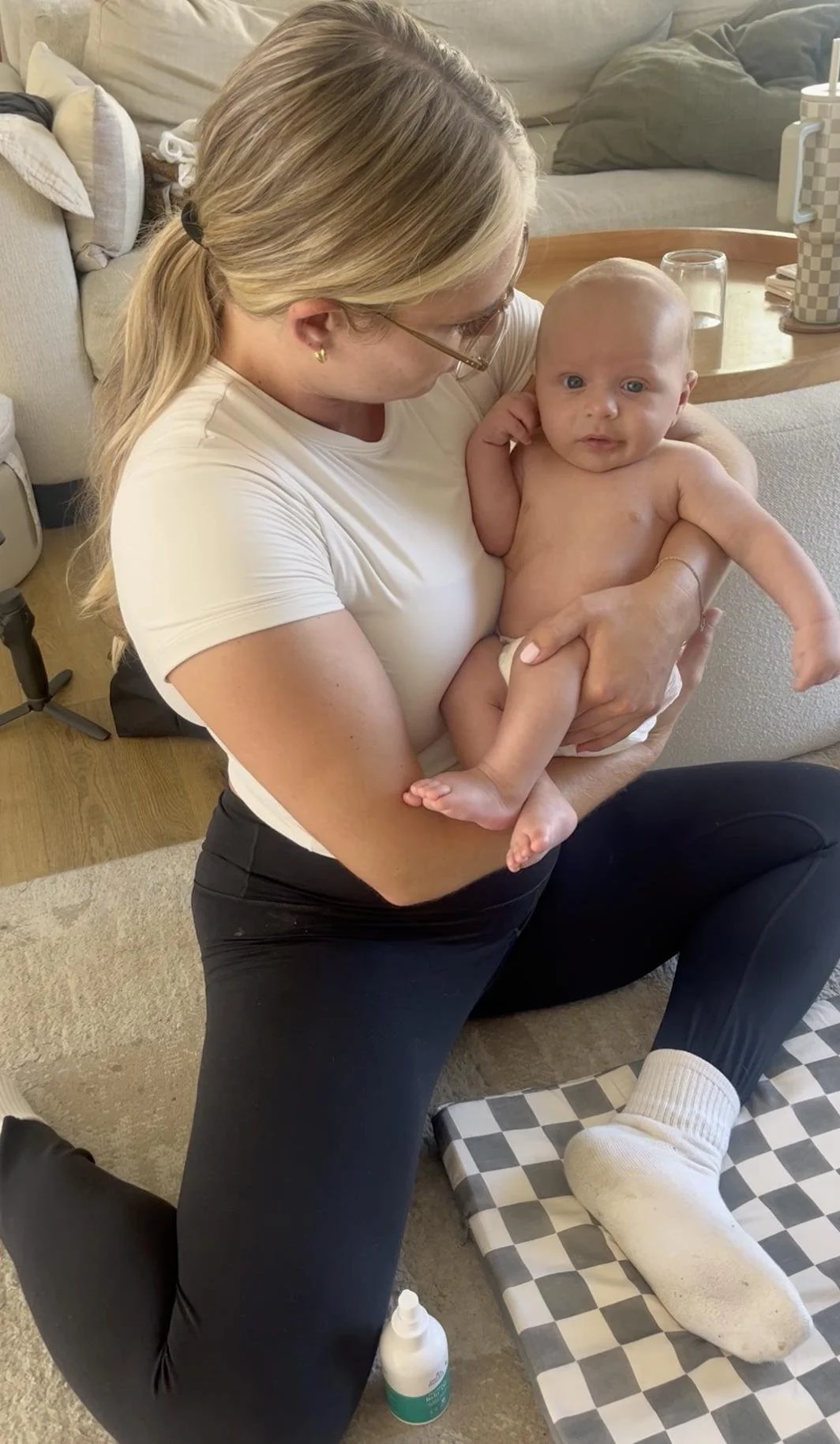
Dr. Avonlea uses a gentle, hands-on approach to torticollis treatment. Sessions are 55 minutes and focus on:
Soft tissue mobilization and manual stretching of the tight neck muscles
Joint mobilization to restore full range of motion
Strengthening exercises to build balanced strength on both sides of the neck and core
Positioning and handling guidance — how to hold, carry, and position your baby in ways that support symmetrical developmen
Tummy time techniques customized to your baby's specific limitations
A home program you can actually do — realistic, clearly demonstrated, and built around your daily routine
Dr. Avonlea also evaluates for plagiocephaly and will let you know if she sees changes in head shape that should be monitored or addressed alongside the torticollis treatment. Treating both together is essential — repositioning strategies alone won't fully work if the underlying neck tightness isn't addressed.
She offers in-home visits throughout Orange County and in-office sessions at C+C MotherKin in Costa Mesa — whichever works best for your family.
Why Choose Us
Dr. Avonlea is one of the only providers in Orange County who specializes in both infant PT and pelvic floor PT for moms — so if you're dealing with postpartum recovery at the same time your baby needs torticollis treatment, she can often treat both of you. Sessions are 55 minutes, playful, and always parent-involved. She offers in-home visits throughout Orange County and in-office sessions at C+C MotherKin in Costa Mesa. Her whole-body approach means she assesses your baby's torticollis, head shape, movement patterns, and tummy time tolerance together.
Frequently Asked Questions
-
Signs include: consistent head tilt, preference for one direction, difficulty turning the neck fully, nursing more easily on one side, or a firm tightness in the neck. If your pediatrician flagged it, a PT evaluation is the right next step.
-
As early as a few weeks old. Earlier is almost always better — especially to prevent or minimize associated plagiocephaly. If your baby is older, treatment is still very effective. Don't let a late start discourage you.
-
It depends on severity and age at the start of treatment. Mild cases in young infants may resolve in 6–8 weeks with consistent home stretching and positioning. Dr. Avonlea will give you a realistic picture after the initial evaluation.
-
Dr. Avonlea uses gentle, age-appropriate techniques. Your baby may be fussy — that's normal for any new handling experience — but the goal is always to work within your baby's tolerance. She'll coach you throughout.
-
Not always, but the two frequently go together. Treating the torticollis is essential to resolving plagiocephaly — the head shape won't fully correct if the underlying neck tightness isn't addressed at the same time.
Ready to get your baby started on torticollis treatment?
Early treatment makes a big difference. Let's start with a conversation.