
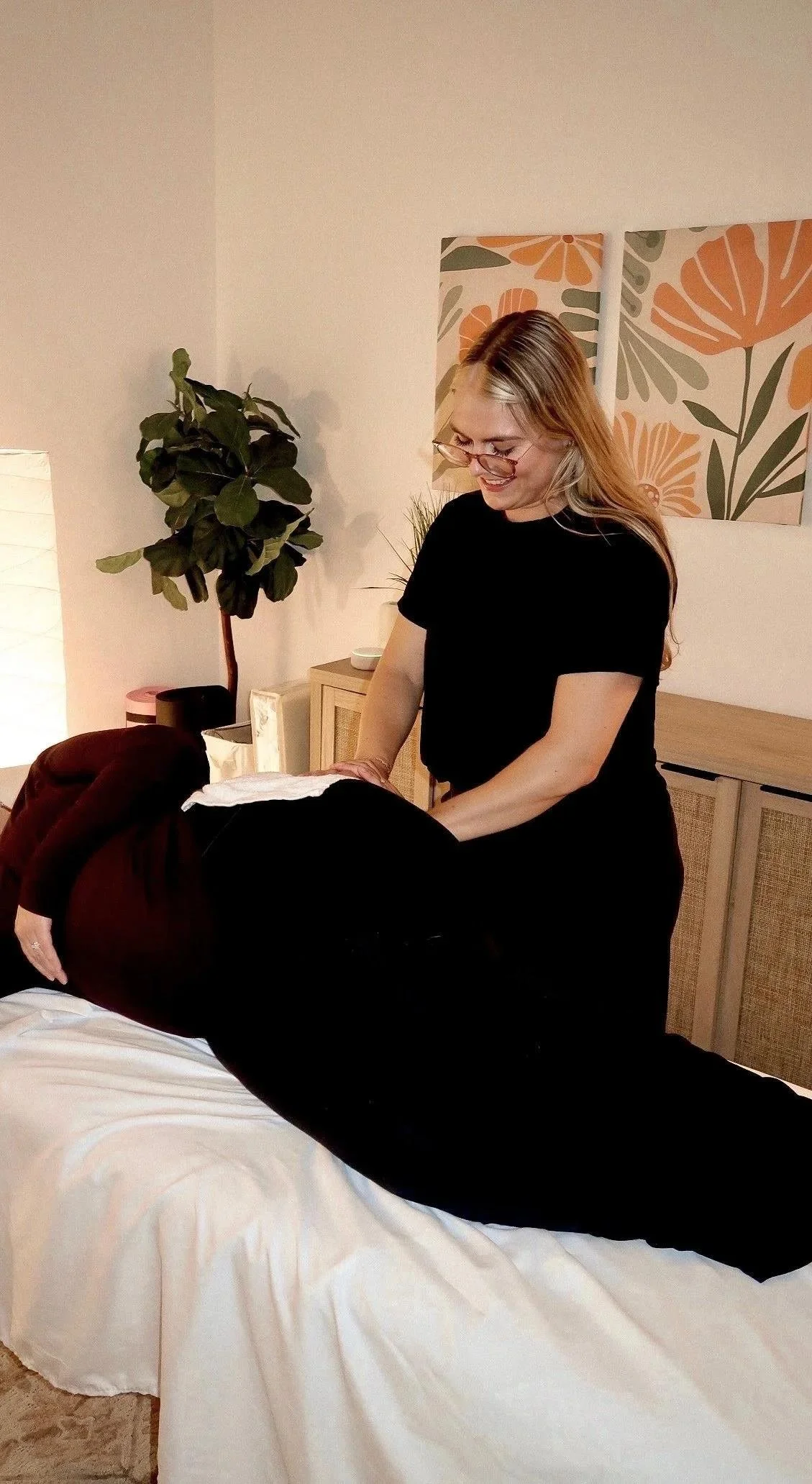
Perineal Tear Recovery — You Can Heal Fully
Nobody warned you about the lingering effects of a perineal tear. It may have healed on the outside — but something still isn't right. The tissue can heal fully with the right support.
What Is Perineal Tear Recovery?
Perineal tears are extremely common in vaginal delivery — affecting the majority of women giving birth for the first time. They're classified by degree:
First degree: Superficial tears of the vaginal mucosa or skin only. Usually heal well, but can still cause sensitivity and discomfort.
Second degree: Tears that extend into the perineal muscles. Very common, often require suturing, and benefit significantly from pelvic floor PT.
Third degree: Tears extending into the anal sphincter. Require surgical repair and careful rehabilitation.
Fourth degree: Complete tears through the anal sphincter and into the rectal mucosa. Require surgical repair and multidisciplinary care.
Even first and second degree tears can cause lasting discomfort, scar tissue restrictions, and pelvic floor dysfunction that doesn't resolve on its own. Many women are told to wait and see — and some symptoms do improve with time. But for many others, scar tissue forms in ways that limit mobility and create ongoing issues.
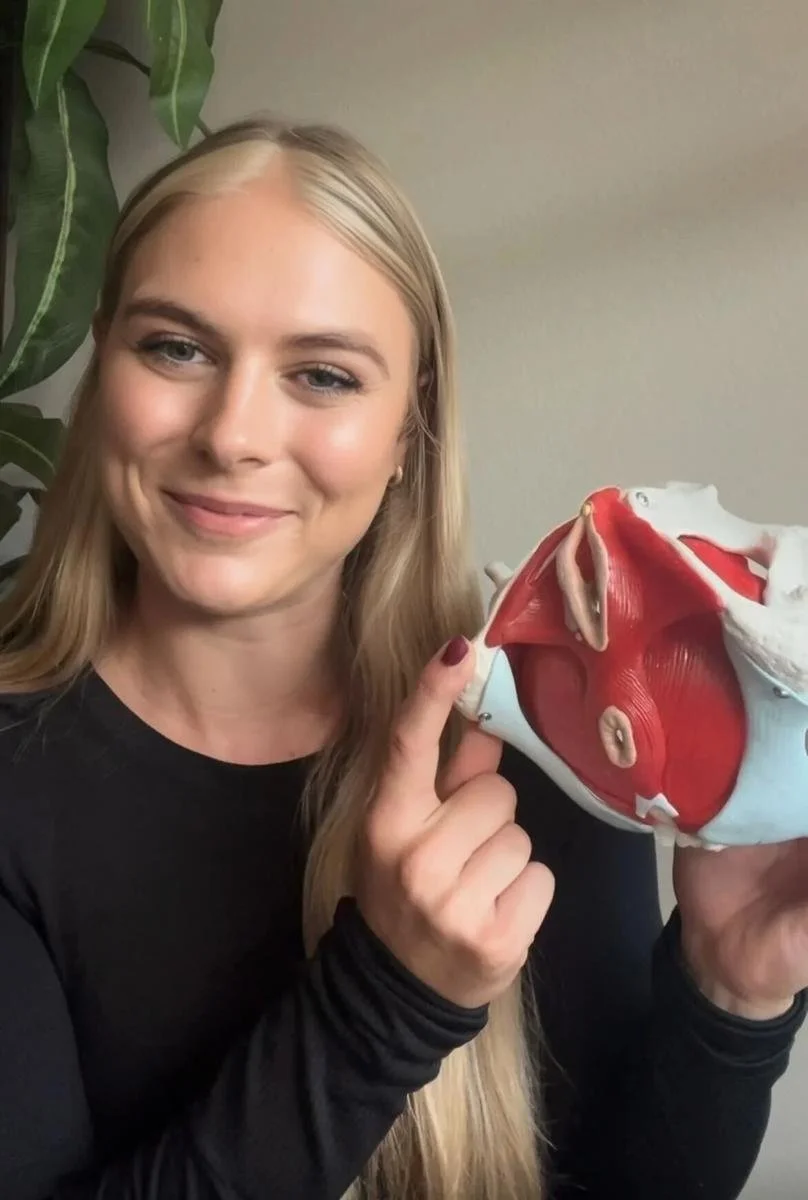
Perineal tear recovery through pelvic floor PT combines scar mobilization with comprehensive pelvic floor rehabilitation to help you feel like yourself again.
Symptoms
Signs that your perineal tear may need treatment:
Pain or sensitivity at the perineum or vaginal opening
Pain with sex, often described as tearing, burning, or rawness
A feeling of tightness or restriction in the vaginal tissue
Urinary leaking or urgency
Difficulty with bowel movements or urgency
Pelvic floor dysfunction — weakness, tightness, or poor coordination
Emotional discomfort or anxiety around the area
Scar tissue that feels thick, restricted, or painful to touch
Scar tissue that looks fine on the outside but is tender or restricted to the touch
Symptoms that haven't improved months after delivery
How We Treat It
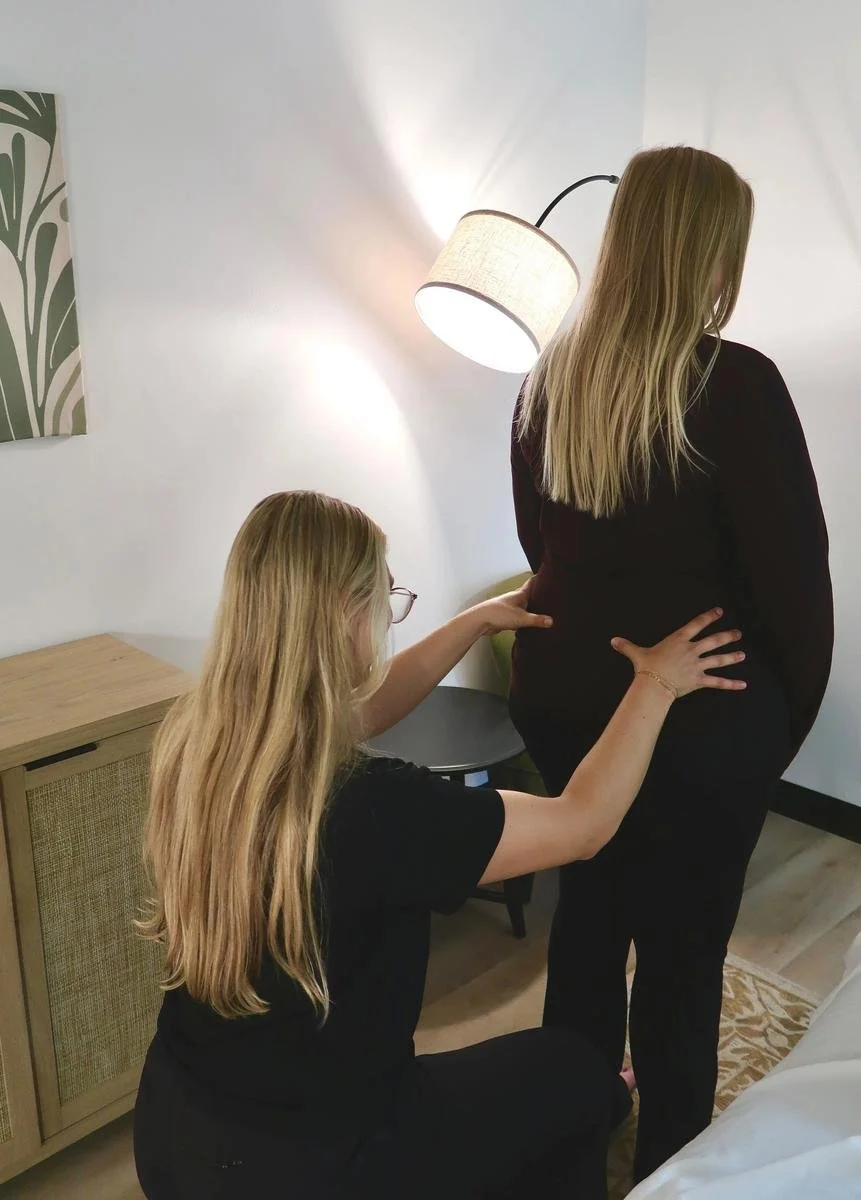
Dr. Avonlea's approach to perineal tear recovery combines hands-on scar mobilization with comprehensive pelvic floor rehabilitation. Treatment is always paced to your comfort and consent — nothing happens without your understanding and agreement at every step.
Treatment may include:
Scar tissue massage and mobilization to restore tissue glide and reduce sensitivity
Pelvic floor muscle retraining — addressing both weakness and hypertonic (too tight) patterns
Desensitization techniques for hypersensitive scar tissue
Guidance on returning to sex comfortably
Core and pelvic floor coordination work as part of overall postpartum recovery
For more significant tears (third and fourth degree), Dr. Avonlea has experience coordinating closely with your OB or midwife throughout recovery. The rehabilitation process is more gradual and structured — but PT is an important part of it.
Sessions are 55 minutes, one-on-one, in-office at C+C MotherKin in Costa Mesa or in-home throughout Orange County. The goal is to get you feeling like yourself again — not just physically, but in how you feel in your body.
Why Choose Us
Perineal tear recovery is one of the most common — and most underdiscussed — reasons women seek pelvic floor PT. Dr. Avonlea brings clinical depth and genuine warmth to a part of recovery that can feel vulnerable and difficult to talk about. Sessions are 55 minutes, one-on-one, in-home throughout Orange County or in-office at C+C MotherKin in Costa Mesa. Nothing is rushed, nothing is assumed, and you are always in control. Her whole-body approach means she treats the scar, the pelvic floor, and the core together — not in isolation.
Frequently Asked Questions
-
Typically around 6 weeks postpartum, once cleared by your provider. In some cases, initial education and gentle external work can begin earlier. The sooner you start, the faster you'll progress.
-
Dr. Avonlea has experience with more significant tears and coordinates closely with your OB or midwife. The rehabilitation process is more gradual, but PT is an important part of recovery at every degree.
-
No. Scar tissue responds to treatment at any stage. Women find meaningful improvement months and even years after delivery — it's never too late to address what's still bothering you.
-
That's completely understandable. Dr. Avonlea goes at your pace, explains everything before she does it, and will never do anything without your explicit consent. You are always in control.
Ready to get relief from perineal tear discomfort?
You deserve to feel fully healed — not just "fine enough." Let's start there.