
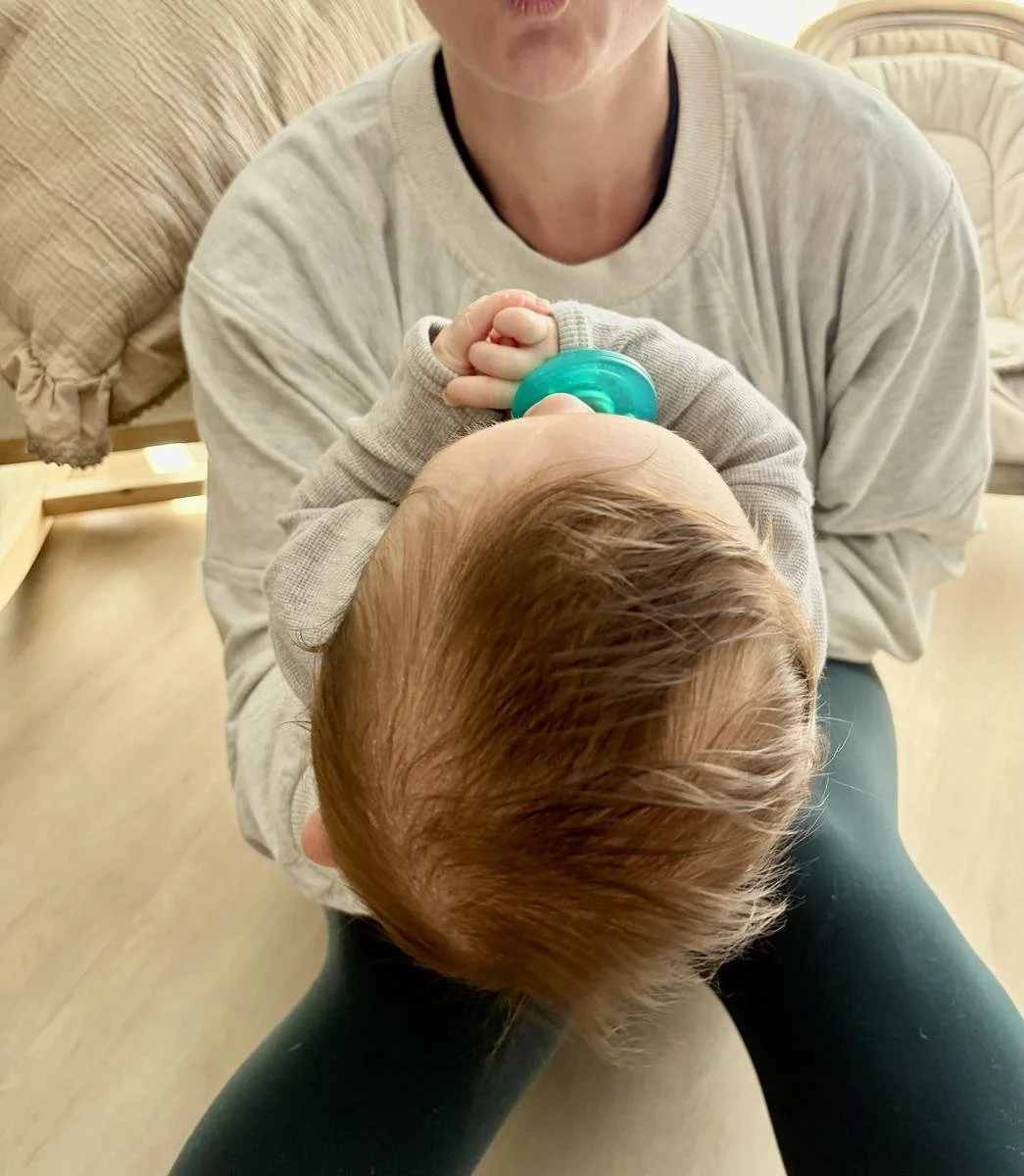
Plagiocephaly (Flat Head) — What to Know and What to Do
You noticed a flat spot. Early physical therapy gives you the most options — and in many cases, resolves it without a helmet. The sooner you know, the more you can do.
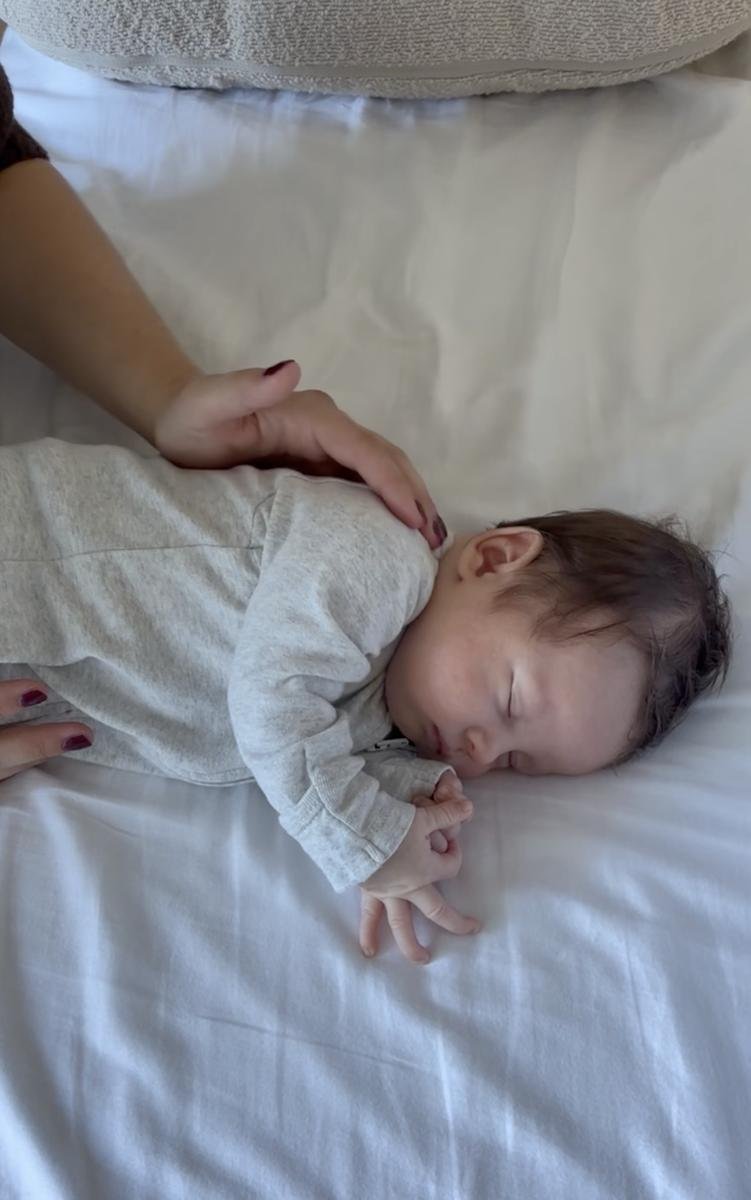
What Is Plagiocephaly?
Plagiocephaly means "oblique head" — it refers to an asymmetrical flattening of the skull. The most common type is positional plagiocephaly, which develops when prolonged pressure is placed on one part of a baby's soft, pliable skull.
It frequently occurs alongside torticollis, because a baby who consistently holds or rests their head to one side will always put pressure on that same area. This is why treating the neck — not just addressing the head shape — is essential to a complete recovery.
There's also brachycephaly, which is flattening across the entire back of the head rather than on one side. Dr. Avonlea evaluates for both and tailors treatment accordingly.
Baby skulls are most pliable and responsive to repositioning in the first several months of life. The window for the most significant improvement through physical therapy and repositioning strategies alone is generally before 4–6 months — which is why reaching out as soon as you notice something gives you the most options. That said, treatment is still valuable beyond that window, and Dr. Avonlea will give you an honest picture of what's realistic at any age.
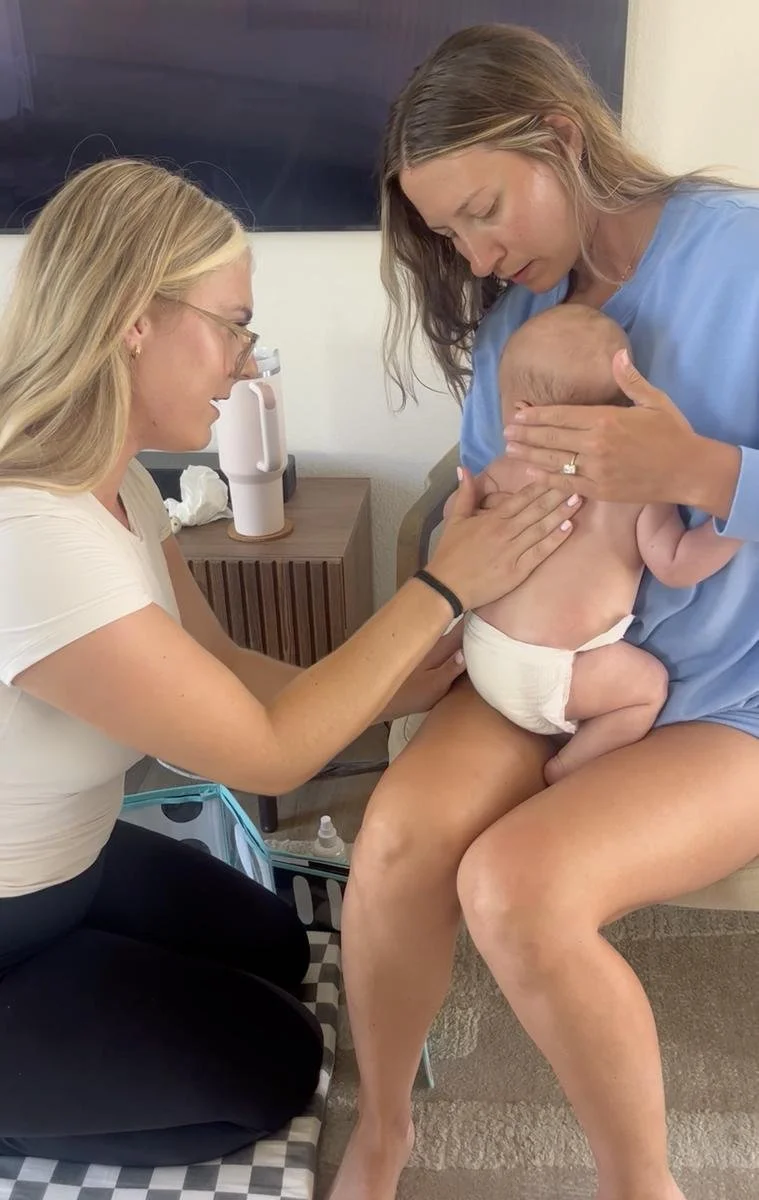
Symptoms
Signs your baby may have plagiocephaly:
A visible flat area on the back or one side of the head
The ears appearing uneven — one ear pushed forward relative to the other
The forehead appearing more prominent on one side
The face appearing slightly asymmetrical when viewed straight-on
Tightness or limited range of motion in the neck (often indicating concurrent torticollis)
The back of the head appearing broad and flat rather than rounded (brachycephaly)
Your pediatrician flagged a head shape concern at a well-child visit
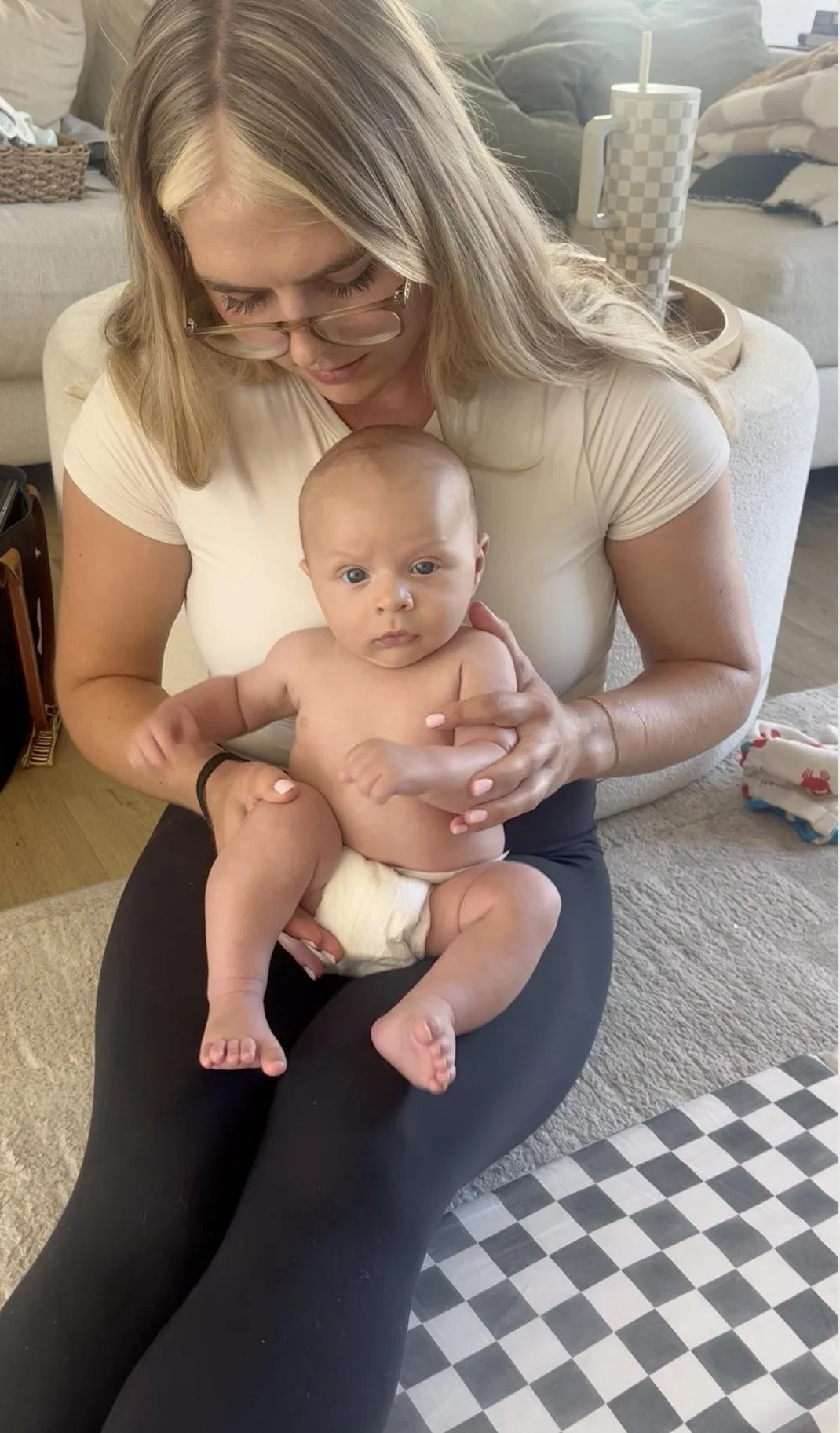
How We Treat It
Dr. Avonlea's approach to plagiocephaly addresses both the head shape itself and the underlying causes — because one without the other rarely leads to full resolution.
Treating concurrent torticollis: If neck tightness is contributing to the head position (which it often is), resolving the torticollis is step one. A baby who can move their neck freely will naturally vary their head position, reducing the constant pressure on one spot.
Repositioning guidance: Dr. Avonlea teaches specific techniques to reduce pressure on the flat spot during awake time and play — adjusted positioning, counter-positioning during tummy time, and adjustments to how you hold and carry your baby.
Tummy time strategies: Tummy time relieves pressure on the back of the skull while building the neck and core strength babies need. If tummy time is difficult, Dr. Avonlea will assess why and build a customized approach.
Coordination with orthotics: If your baby is referred to a cranial orthotist for helmet therapy, Dr. Avonlea works alongside that process — because PT addresses the neck and muscle issues that helmets alone don't treat.
Sessions are 55 minutes, in-home throughout Orange County or in-office at C+C MotherKin in Costa Mesa.
Why Choose Us
Dr. Avonlea treats plagiocephaly as a whole-baby problem — addressing the head shape, the neck mobility, the tummy time difficulties, and the movement patterns all together. Sessions are 55 minutes, gentle, and parent-involved. She offers in-home visits throughout Orange County — where she can observe the actual surfaces your baby rests on — and in-office sessions at C+C MotherKin in Costa Mesa. She also specializes in pelvic floor PT for moms, so if you're also managing postpartum recovery, she can treat both of you without needing two providers.
Frequently Asked Questions
-
If you can see or feel a flat area, it's worth getting evaluated. Dr. Avonlea will assess severity and give you an honest picture of whether PT alone can resolve it or whether a helmet consultation is warranted.
-
Not necessarily. Mild to moderate plagiocephaly in younger infants often responds well to PT and repositioning without a helmet. More severe cases, or those that present later, may benefit from helmet therapy — and Dr. Avonlea will be direct about what she's seeing.
-
A lot — and Dr. Avonlea will teach you exactly what. Repositioning strategies, tummy time techniques, modified carrying positions, and environmental adjustments all make a meaningful difference. The home program is a core part of treatment.
-
Most babies with plagiocephaly struggle with tummy time. Dr. Avonlea assesses what's making it difficult and builds a customized approach — including positions that build toward traditional tummy time in stages, at your baby's pace.
-
Positional plagiocephaly is primarily cosmetic. However, concurrent torticollis — which is very often present — can affect visual tracking, reaching, and rolling. Treating both is important for your baby's overall development, not just the head shape.
Ready to address your baby's flat head?
The earlier you start, the more options you have. Let's talk.