

Diastasis Recti After Pregnancy — Your Core Can Heal
You're doing all the right things, but your core still doesn't feel like yours. That ridge down your middle, the back pain, the disconnection — that's diastasis recti. And there's a real plan for it.
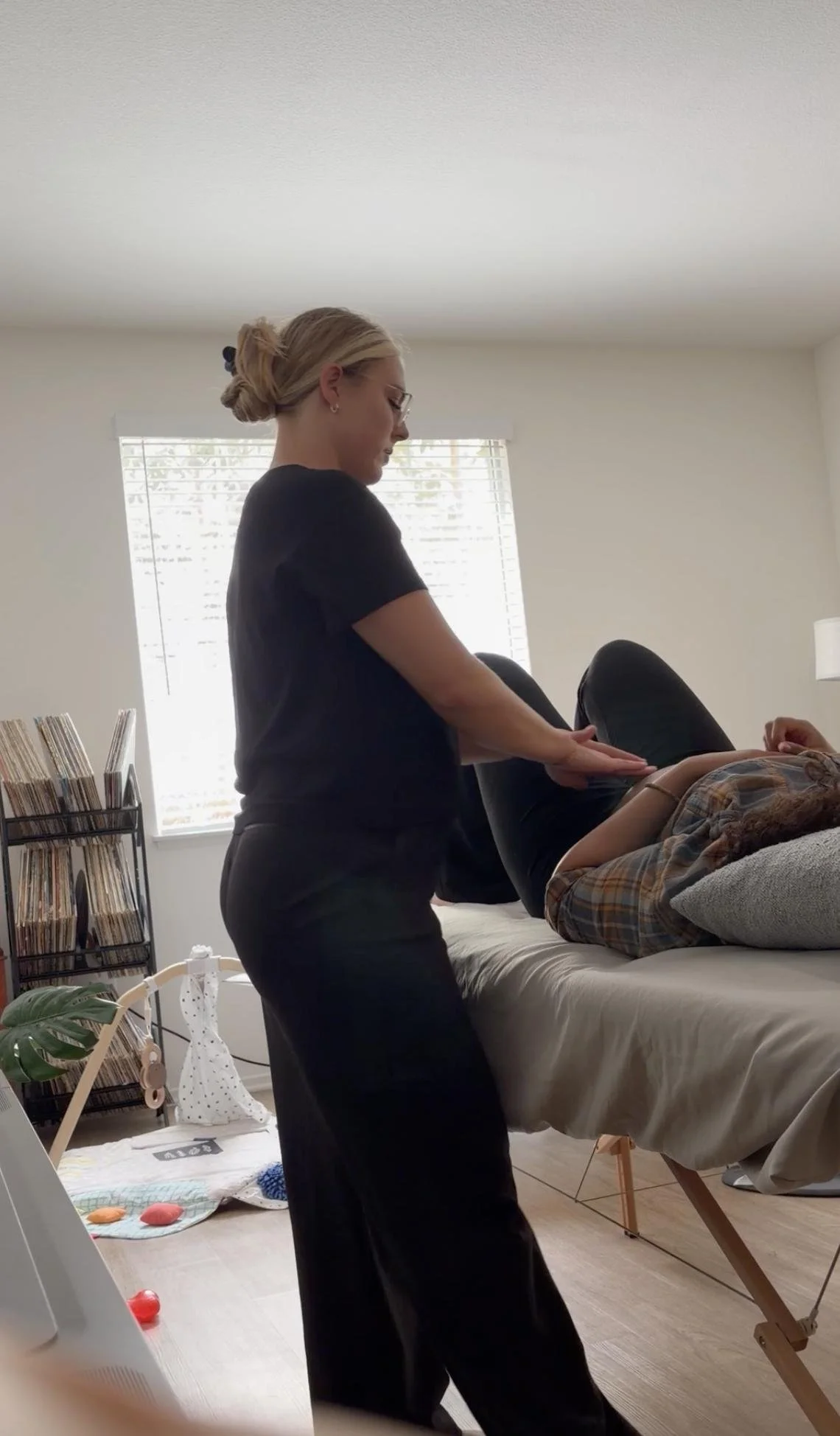
What Is Diastasis Recti?
Diastasis recti (DR) is a separation of the two sides of the rectus abdominis — the "six-pack" muscles — along the linea alba, the connective tissue that runs down the center of your abdomen. During pregnancy, as your belly expands, this tissue stretches and the muscle bellies move apart to make room.
Some separation is completely normal during pregnancy and resolves on its own postpartum. But for many women, the gap remains too wide or the connective tissue loses its integrity, leading to symptoms that affect strength, stability, and daily function.
It's worth knowing: diastasis recti is assessed by both the width of the gap and the tension (stiffness) of the connective tissue. A wide gap with good tension can be more functional than a narrow gap with poor tension. This is why a proper evaluation matters — and why "just avoid core exercises" is incomplete advice.
Diastasis recti rarely exists in isolation. Because the deep core system — your diaphragm, transverse abdominis, pelvic floor, and multifidus — all work together, DR often shows up alongside pelvic floor weakness, tightness, or prolapse symptoms.
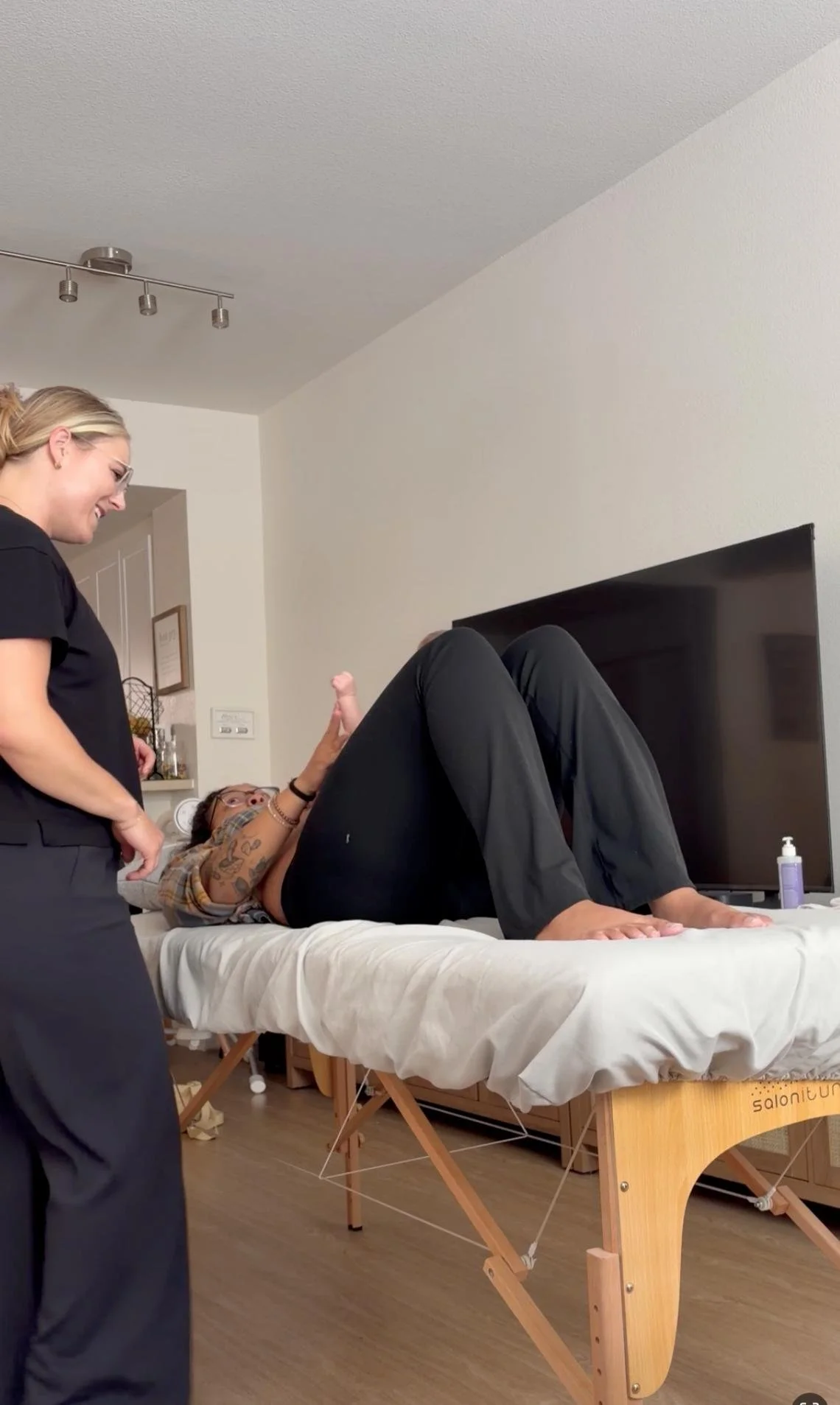
Symptoms
You may have diastasis recti if you notice:
A visible or palpable gap or ridge along the center of your abdomen
"Doming" or "coning" when you do a sit-up or crunch
Core weakness that doesn't improve no matter how much you exercise
Lower back or pelvic pain
Difficulty with daily activities that require core engagement — carrying, lifting, climbing stairs
A "pooch" in your midsection that isn't responding to diet or exercise
A feeling that your core is "disconnected" or doesn't fire the way it used to

How We Treat It
Contrary to outdated advice, avoiding all core exercise is not the answer. But jumping back into crunches and planks too soon can make things worse. The goal is to rebuild core function progressively and correctly — and that requires understanding your specific presentation first.
Dr. Avonlea's approach includes:
Assessment of your gap, connective tissue quality, and how your core is actually functioning
Education on movements and loading patterns to modify (and when)
Targeted exercises to restore coordination between the deep core, pelvic floor, and breathing system
Hands-on treatment as needed
A clear, progressive plan that evolves as your core gets stronger
Because diastasis recti and pelvic floor dysfunction so frequently go together, Dr. Avonlea treats the whole system — not just the gap. If you delivered via cesarean, C-section scar recovery is folded into the same core plan. That's the difference between patching a symptom and actually restoring function.
Sessions are 55 minutes, one-on-one, in-office at C+C MotherKin in Costa Mesa or in-home throughout Orange County. Treatment is gradual and individualized. Most women make real, measurable progress with consistent PT.
Why Choose Us
Dr. Avonlea treats diastasis recti as part of the whole core and pelvic floor system — because a gap that's only addressed in isolation rarely fully resolves. She's dual-specialized in pelvic floor PT and infant PT, so she understands the full postpartum picture. Sessions are 55 minutes, one-on-one, with no aides. She offers in-home visits throughout Orange County and in-office at C+C MotherKin in Costa Mesa. Whether you're 6 weeks postpartum or 6 years, she builds a plan around your specific presentation — not a one-size-fits-all exercise sheet.
Frequently Asked Questions
-
A pelvic floor PT can assess your gap and tissue quality in a single session. Some women self-check by lying on their back and lifting their head — if you feel a gap or see a ridge, it's worth a proper evaluation.
-
Some mild cases resolve in the first few months postpartum with appropriate movement. But significant or persistent DR benefits from guided rehabilitation — especially if you have symptoms affecting daily function or core engagement.
-
The vast majority of women with DR achieve meaningful improvement through PT without surgery. Surgical repair is an option for severe cases, but PT is almost always the right first step.
-
Yes. Diastasis recti can occur in people who have never been pregnant, and in women years or decades after their last pregnancy. If you have symptoms, it's worth getting assessed.
Ready to get relief from diastasis recti?
Your core can heal. Let's build the plan that gets you there.