
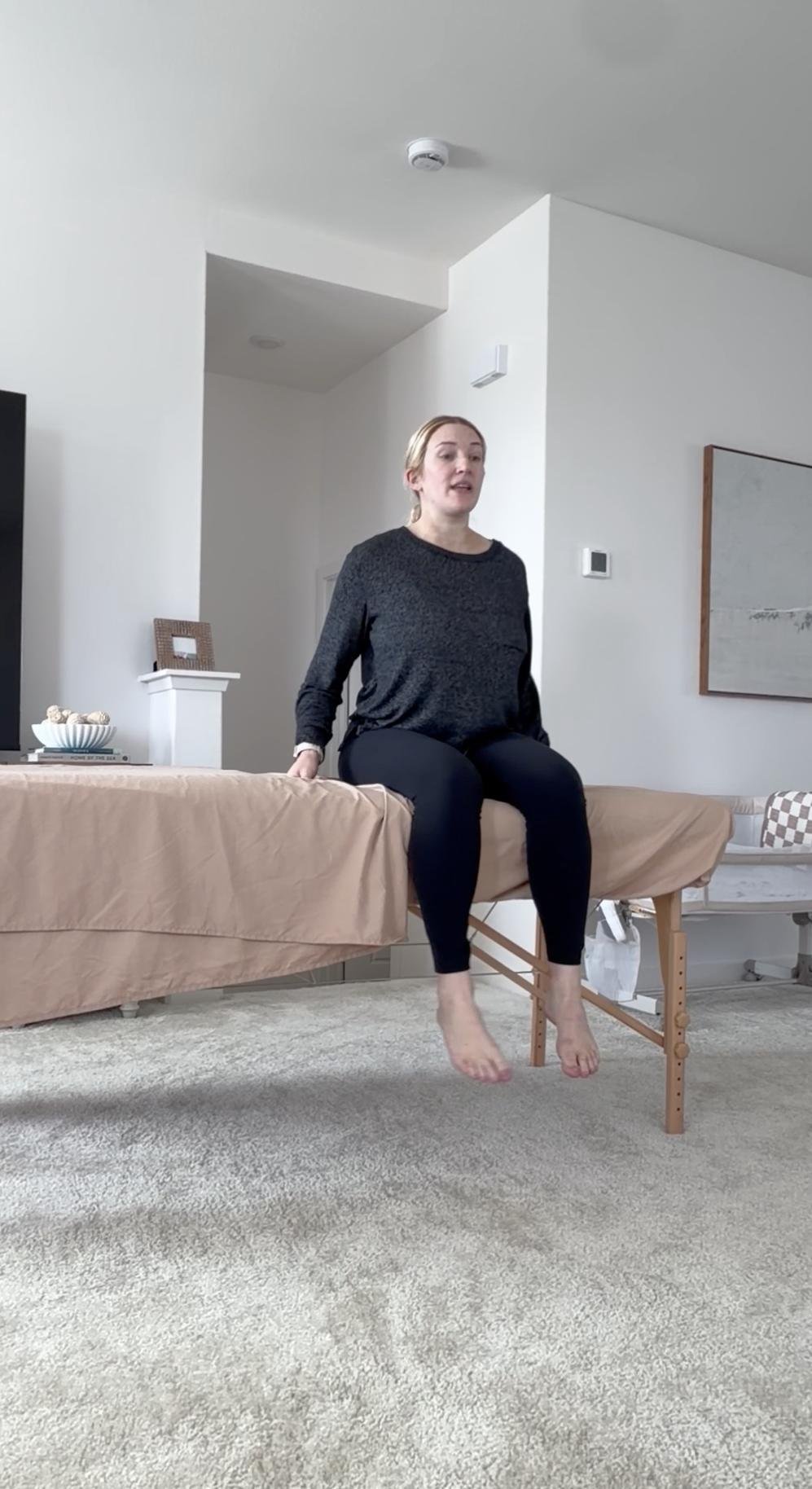
Pelvic Organ Prolapse
That heaviness, pressure, or bulging sensation is scary to hear about. But prolapse is far more manageable than most women are led to believe — and physical therapy is often the best first step.
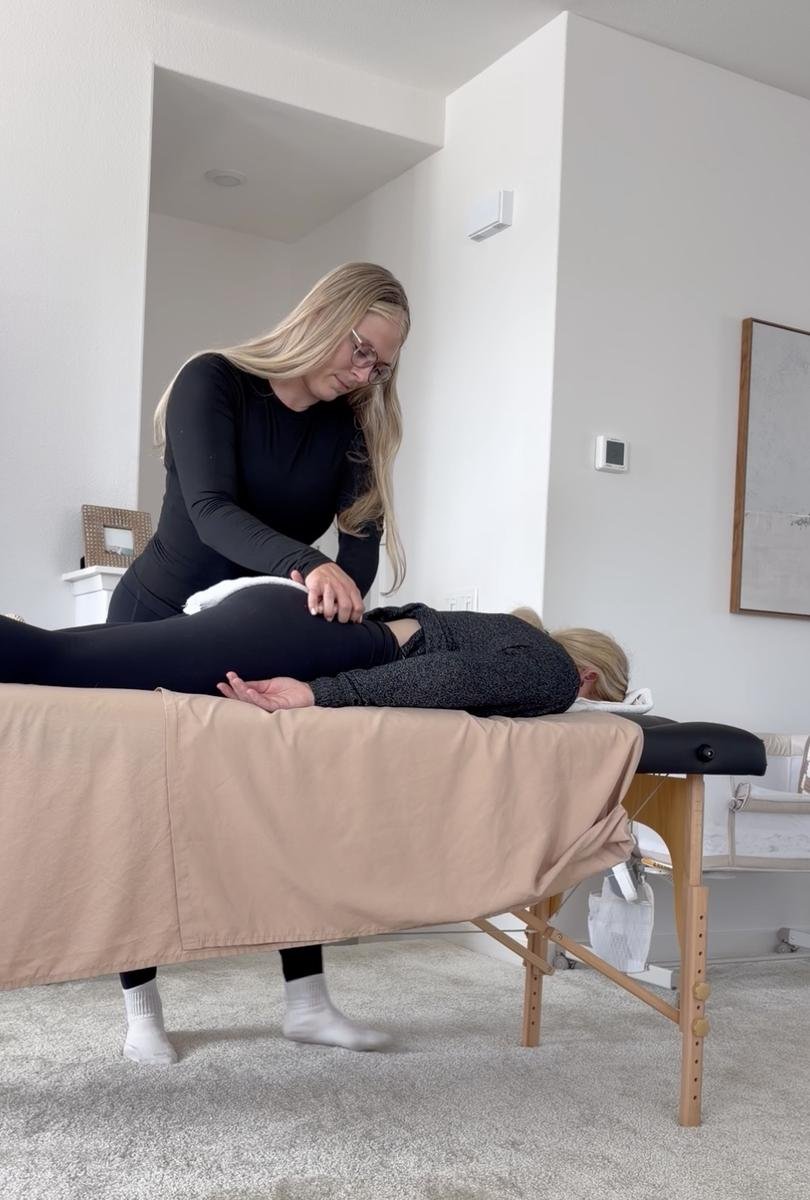
What Is Pelvic Organ Prolapse?
Pelvic organ prolapse (POP) occurs when the pelvic floor muscles and supportive tissues become weakened or damaged, and one or more of the pelvic organs — the bladder, uterus, or rectum — descend into or toward the vaginal canal.
It's graded on a scale of 1 to 4, with stage 1 being a very mild descent and stage 4 representing complete protrusion. Most women with prolapse are at stage 1 or 2 — which is well within the range where pelvic floor PT can make a significant difference.
Types of prolapse include:
Cystocele — bladder prolapse (most common)
Rectocele — rectal prolapse
Uterine prolapse — descent of the uterus
Vaginal vault prolapse — which can occur after hysterectomy
Childbirth is the most common cause. Prolapse often isn't detected — or doesn't become symptomatic — until months or years after delivery. Many women with stage 1 and 2 prolapse are able to return to running, lifting, and other high-impact activities with the right support and rehab plan.
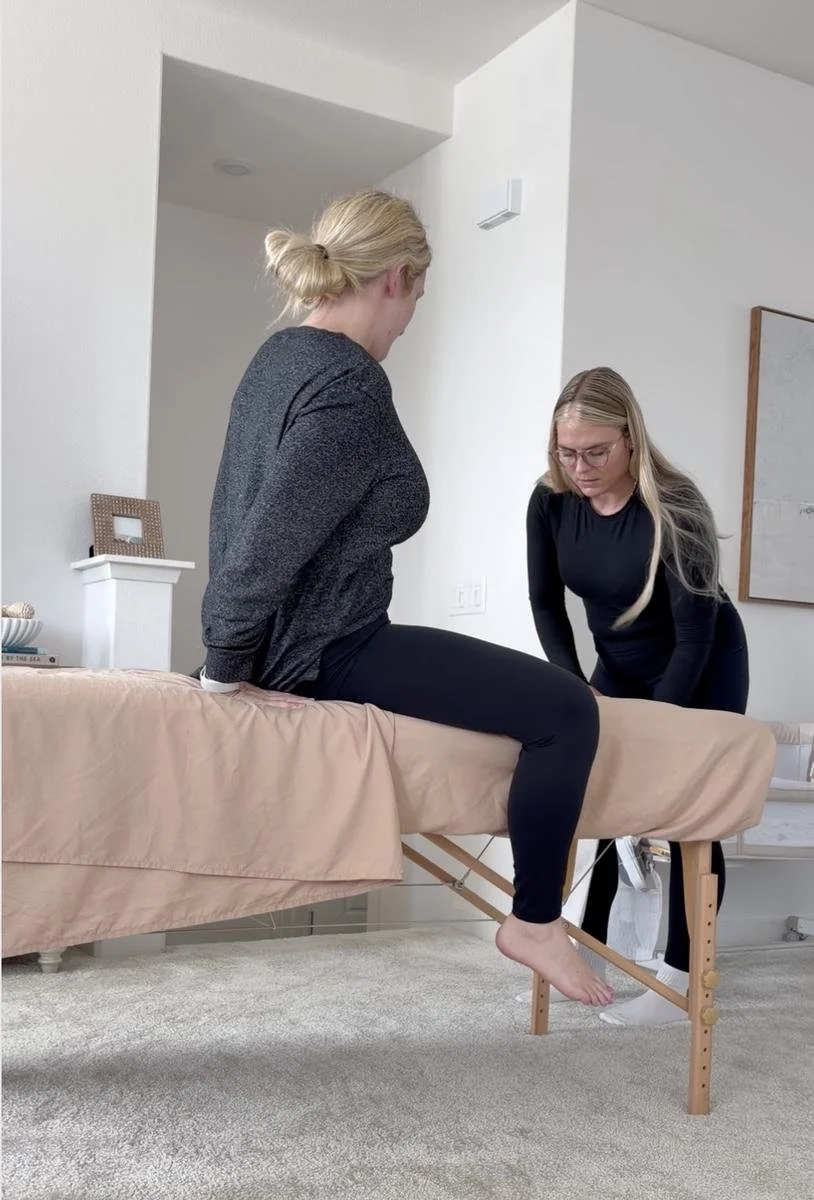
Symptoms
Common signs of pelvic organ prolapse include:
A feeling of pressure, heaviness, or fullness in the pelvis
A sensation of something bulging at or near the vaginal opening
Difficulty with bowel movements or a feeling of incomplete emptying
Lower back or pelvic discomfort, especially after prolonged standing
Symptoms that are worse at the end of the day or after activity
A feeling that something "isn't right" down there that worsens with exertion
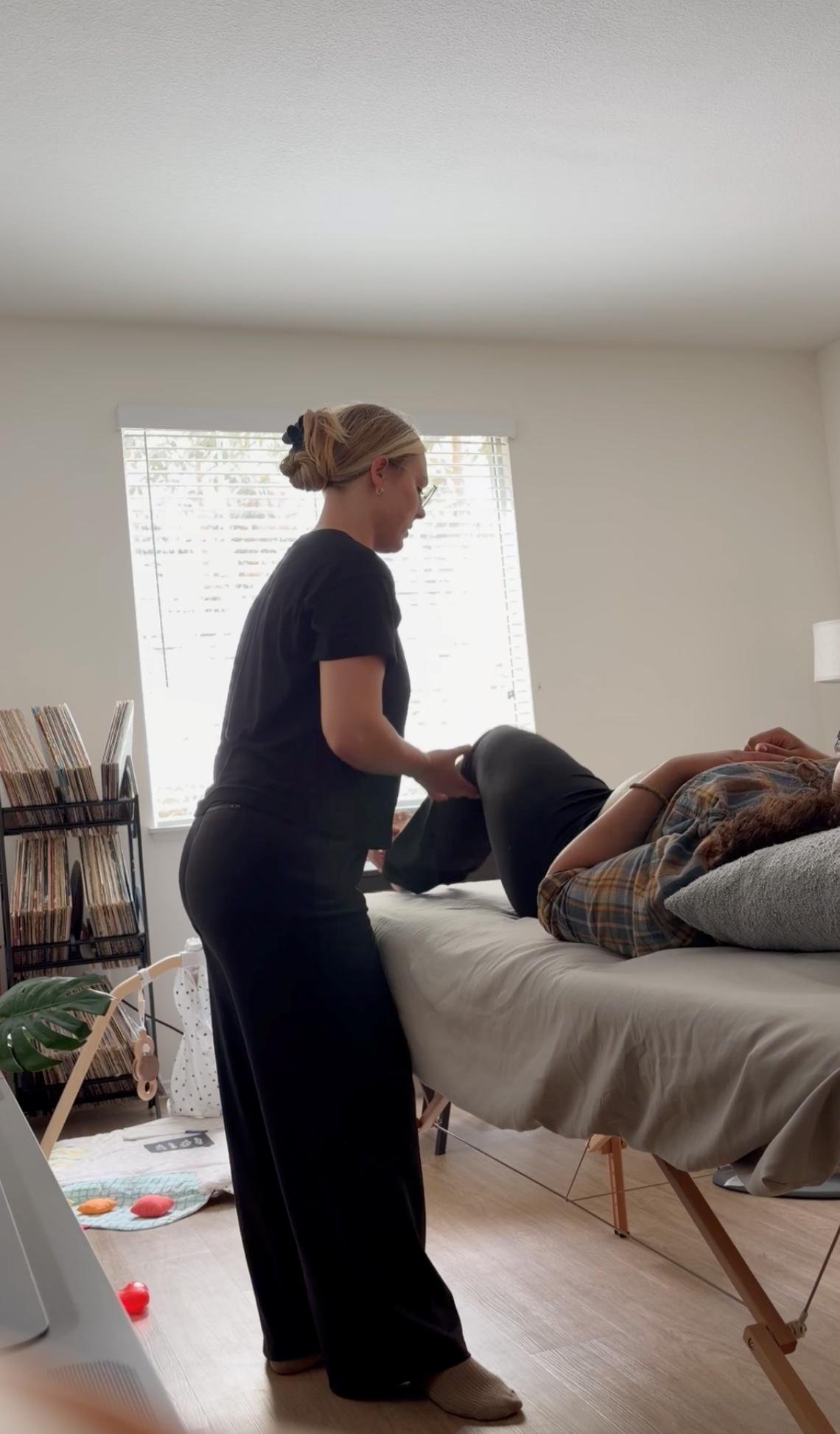
How We Treat It
Pelvic floor PT doesn't reverse prolapse anatomically — but it can significantly reduce symptoms, often to the point where they're barely noticeable in daily life. The goal is to improve the strength, coordination, and support function of the pelvic floor so the structures above it are better supported.
Treatment may include:
Pelvic floor strengthening and neuromuscular re-education
Load management strategies — understanding which activities increase prolapse symptoms and how to modify them
Bowel and bladder habit coaching to reduce downward pressure
Breathing and intra-abdominal pressure management
Guidance on activity modification and return to exercise
Pessary education and coordination with your gynecologist
Early intervention gives the best outcomes. If your OB mentioned prolapse at your 6-week visit, a pelvic floor PT evaluation is the right next step — not watchful waiting.
Sessions are 55 minutes, one-on-one with Dr. Avonlea, in-office at C+C MotherKin in Costa Mesa or in-home throughout Orange County.
Why Choose Us
Dr. Avonlea's whole-body approach means she doesn't just address prolapse symptoms in isolation — she looks at your core, your breathing, your movement patterns, and how everything is working together. Sessions are 55 minutes, one-on-one, with no aides. She offers in-home visits throughout Orange County and in-office care at C+C MotherKin in Costa Mesa. Her dual specialization in pelvic floor PT and infant PT means that if your baby also needs treatment, she can often see both of you — no second provider needed.
Frequently Asked Questions
-
No. The majority of prolapse cases — especially stage 1 and 2 — can be managed effectively with pelvic floor PT. Surgery is reserved for severe cases or when conservative treatment hasn't provided adequate relief.
-
It can, particularly with high-impact activity, chronic straining, or heavy lifting without proper pelvic floor support. Learning how to manage pressure and load is protective — which is exactly what PT teaches you.
-
Yes, with guidance. Dr. Avonlea will help you understand which activities to modify, how to build back safely, and when you're ready to return to higher-impact movement. The goal is to keep you active, not sideline you.
-
Book a pelvic floor PT evaluation. Early intervention gives the best outcomes and sets you up for long-term pelvic health.
Ready to get relief from pelvic organ prolapse?
You have more options than you've been told. Let's start with a conversation.